heritage
A Residence Shaped by Its History
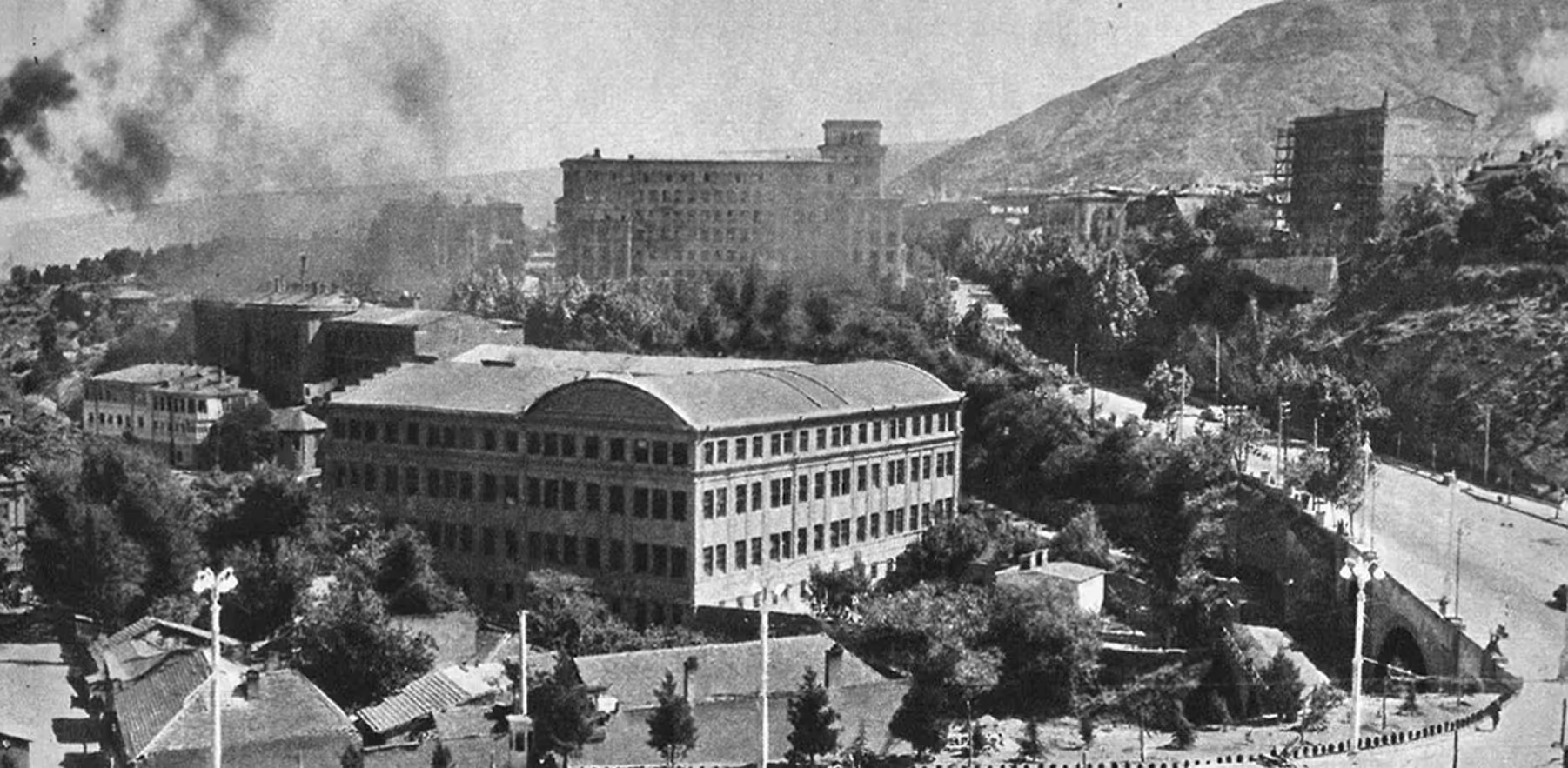
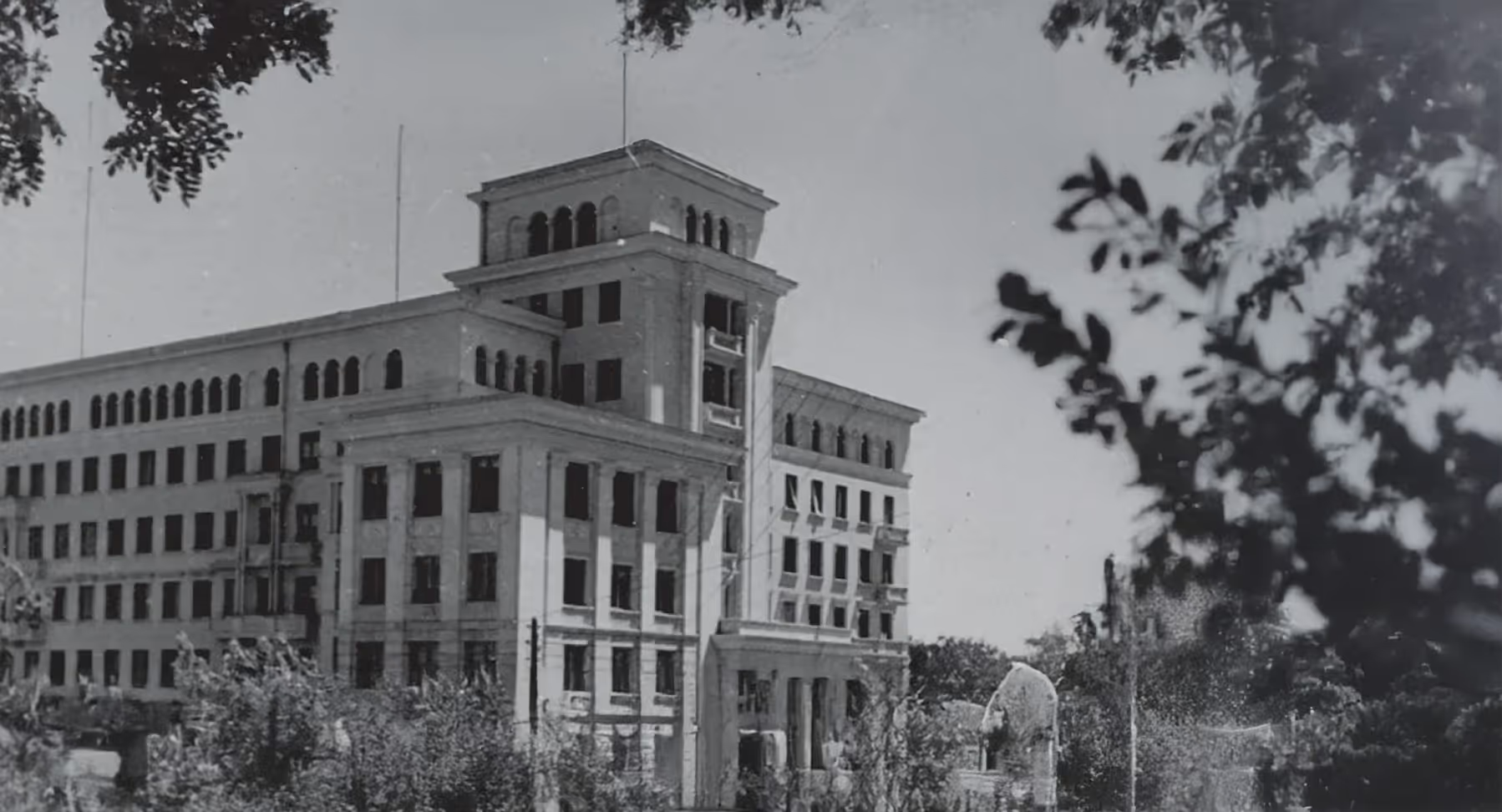
Built as the Tea Administrative Building, this landmark was commissioned by Georgia’s Ministry of Food Industry and designed by architect Mikheil Neprintsev, a defining figure in Tbilisi’s mid-century architectural landscape. What began as the headquarters for 97 tea factories and thousands of hectares of plantations soon became the home of the Ministry of Food and Agriculture—a role it carried until 2007.
Across decades, the building remained a constant presence in the city, earning recognition as a cultural heritage monument. The form, materials, and proportions reflect the architectural ambitions of its era, while its resilience has made it a familiar point of reference in Tbilisi’s urban fabric.
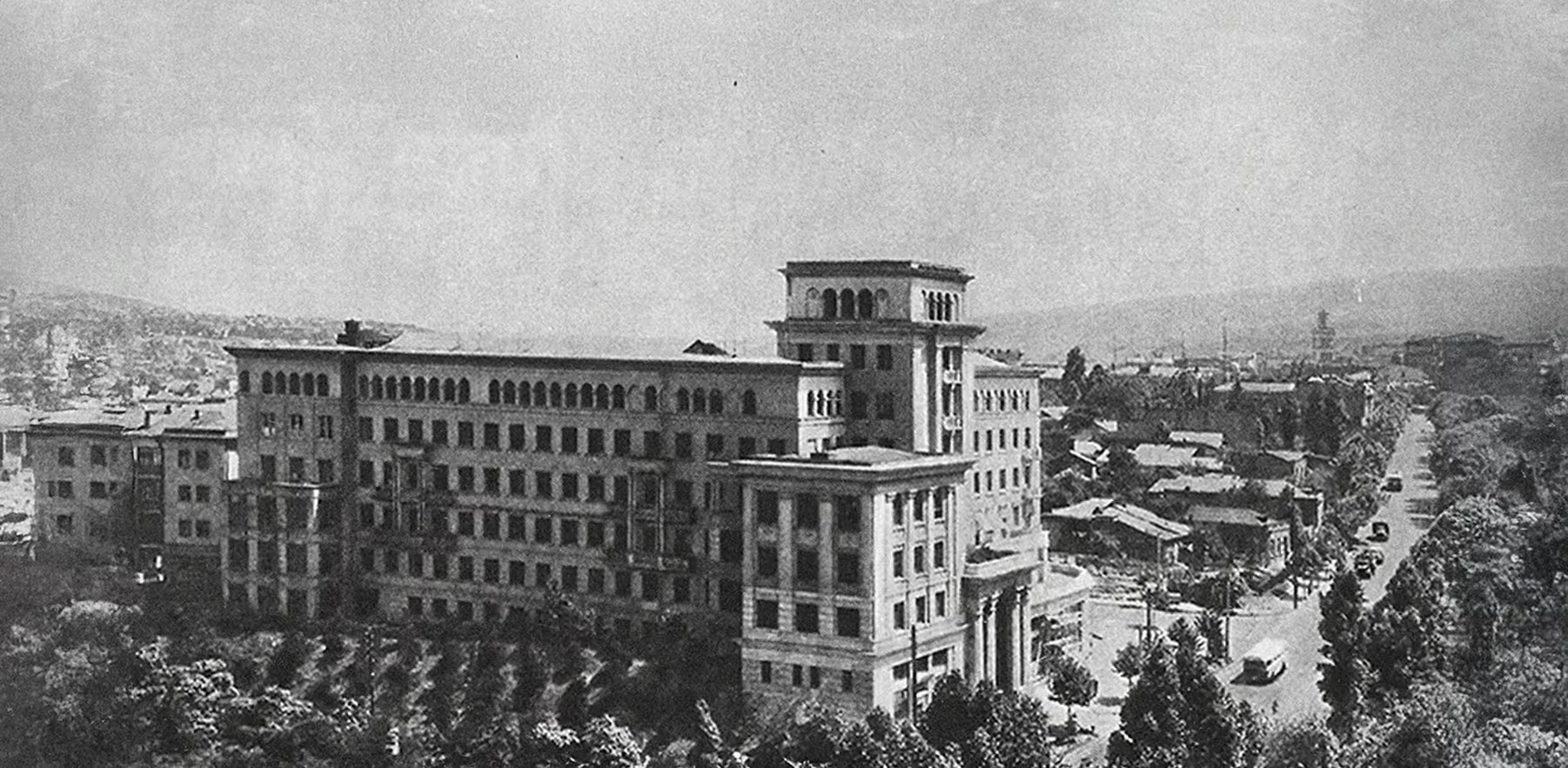
1936
Tea Administration Building
1941
Ministry of Food & Agriculture
1987
Monument of Cultural Heritage
Elements That Define the Building
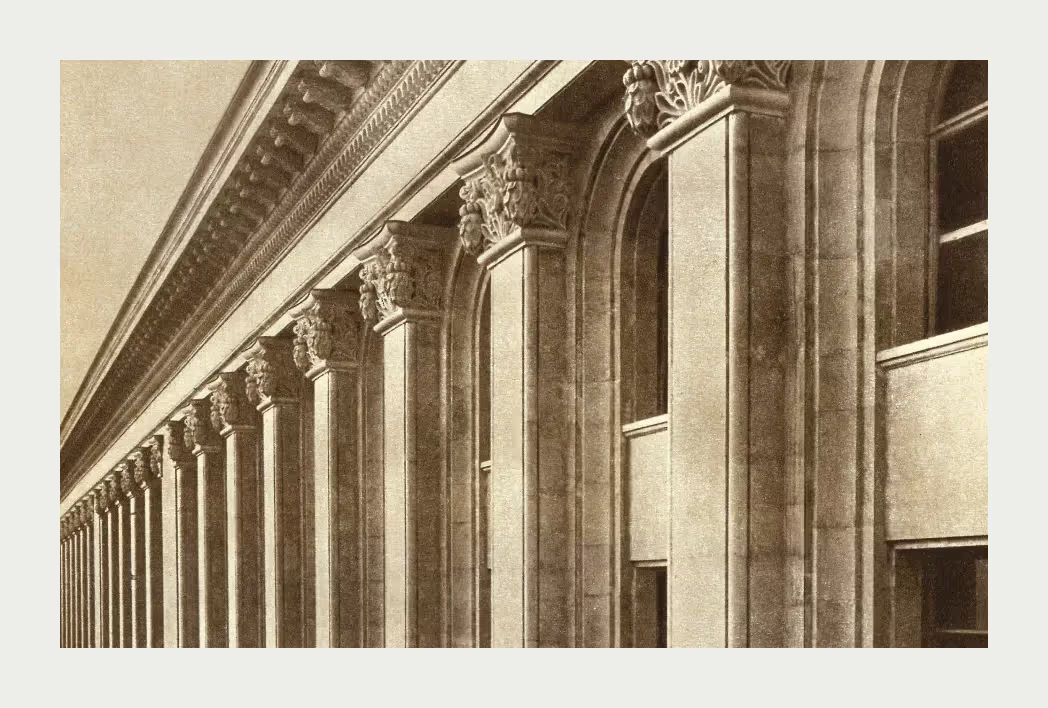
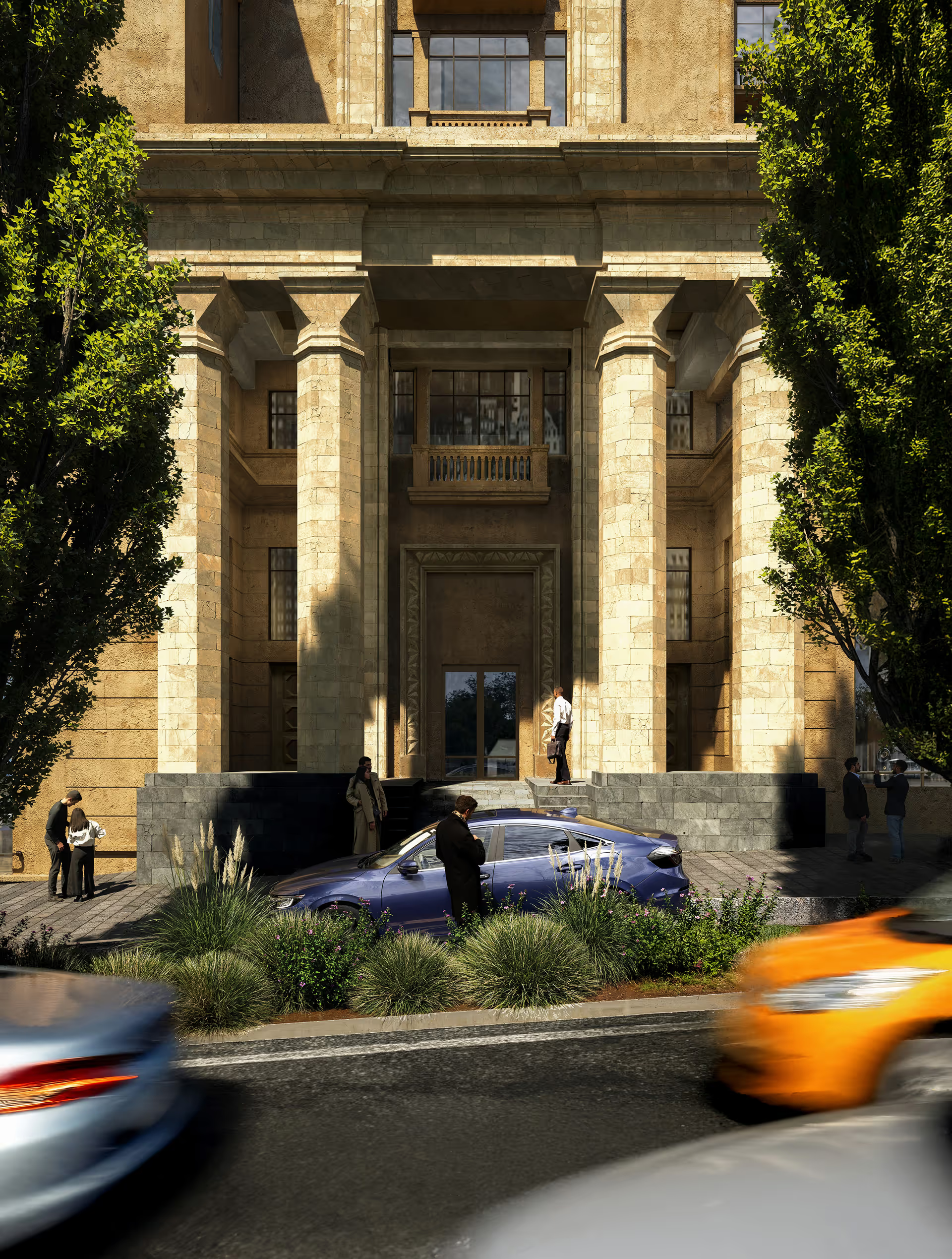
Columns
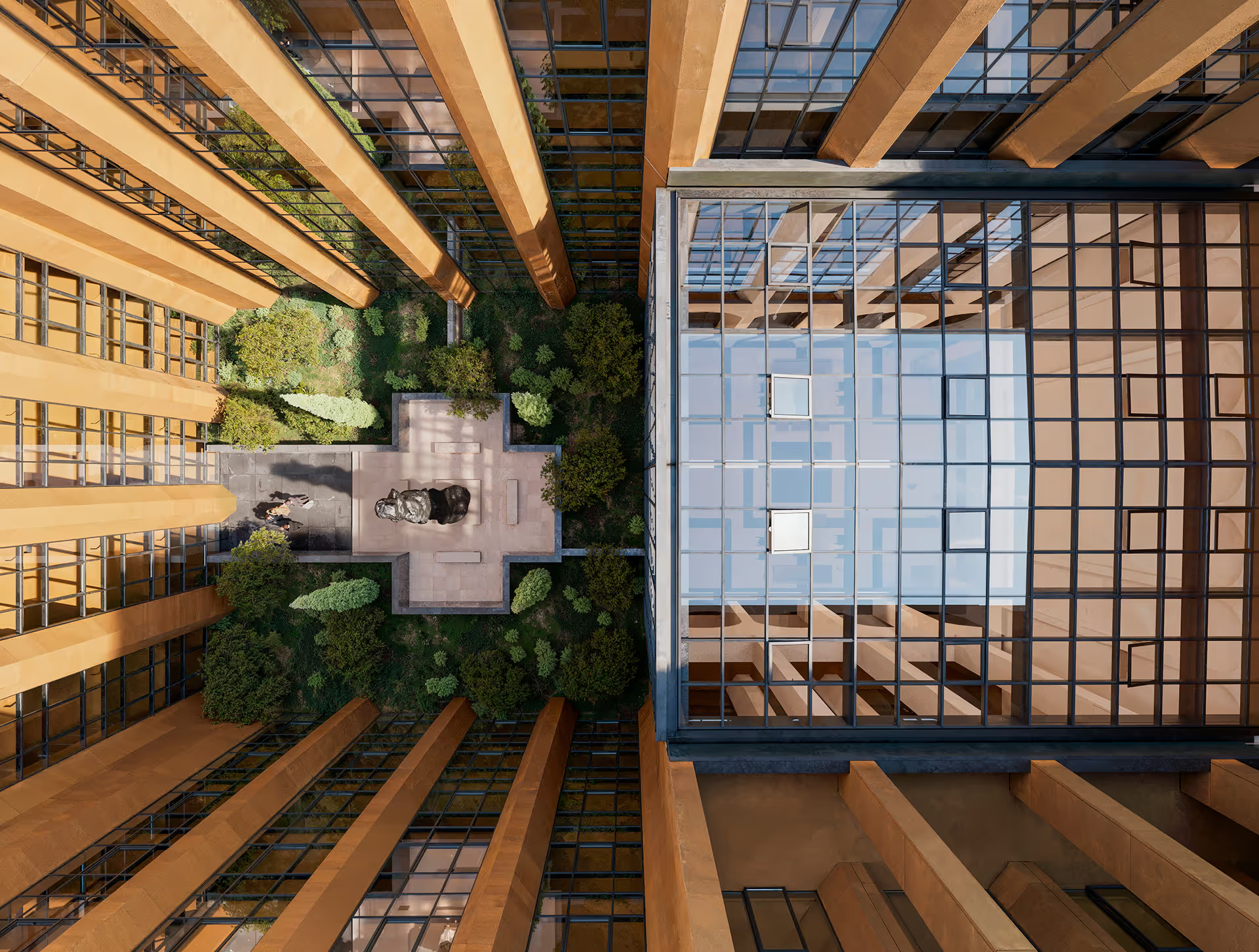
The building’s large Stalinist-era columns express the architectural language of the period—solid proportions, classical references, and an emphasis on authority and permanence. Their presence links the structure to the broader visual narrative of socialist realism.
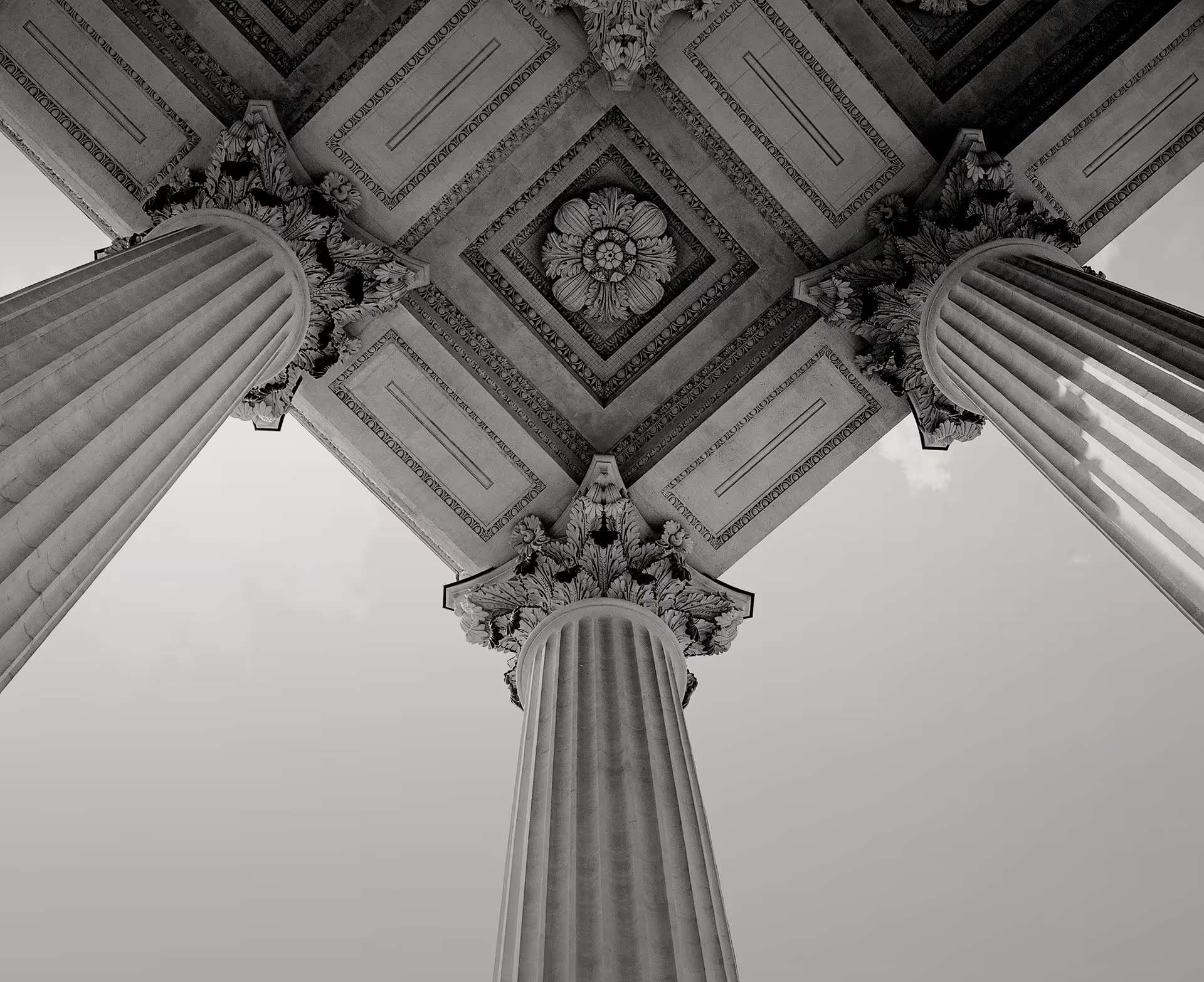
Column Capitals
Corinthian-inspired capitals introduce a layer of ornamentation rooted in classical architecture. These details reflect a tradition of refinement and aesthetic continuity, bridging Soviet monumentalism with the enduring influence of ancient forms.
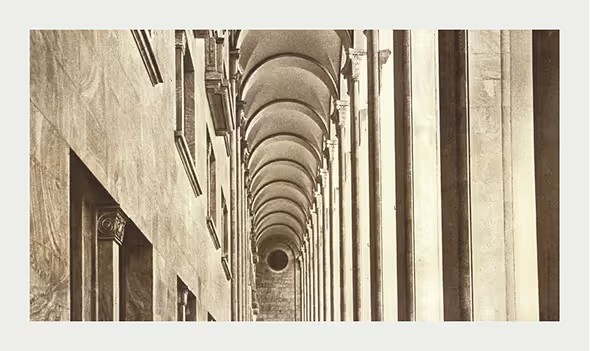
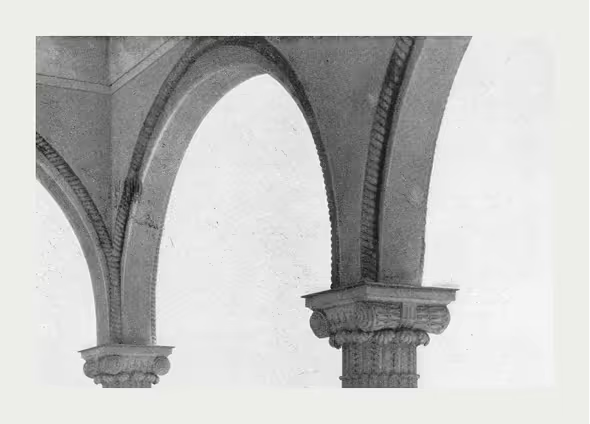
Arches
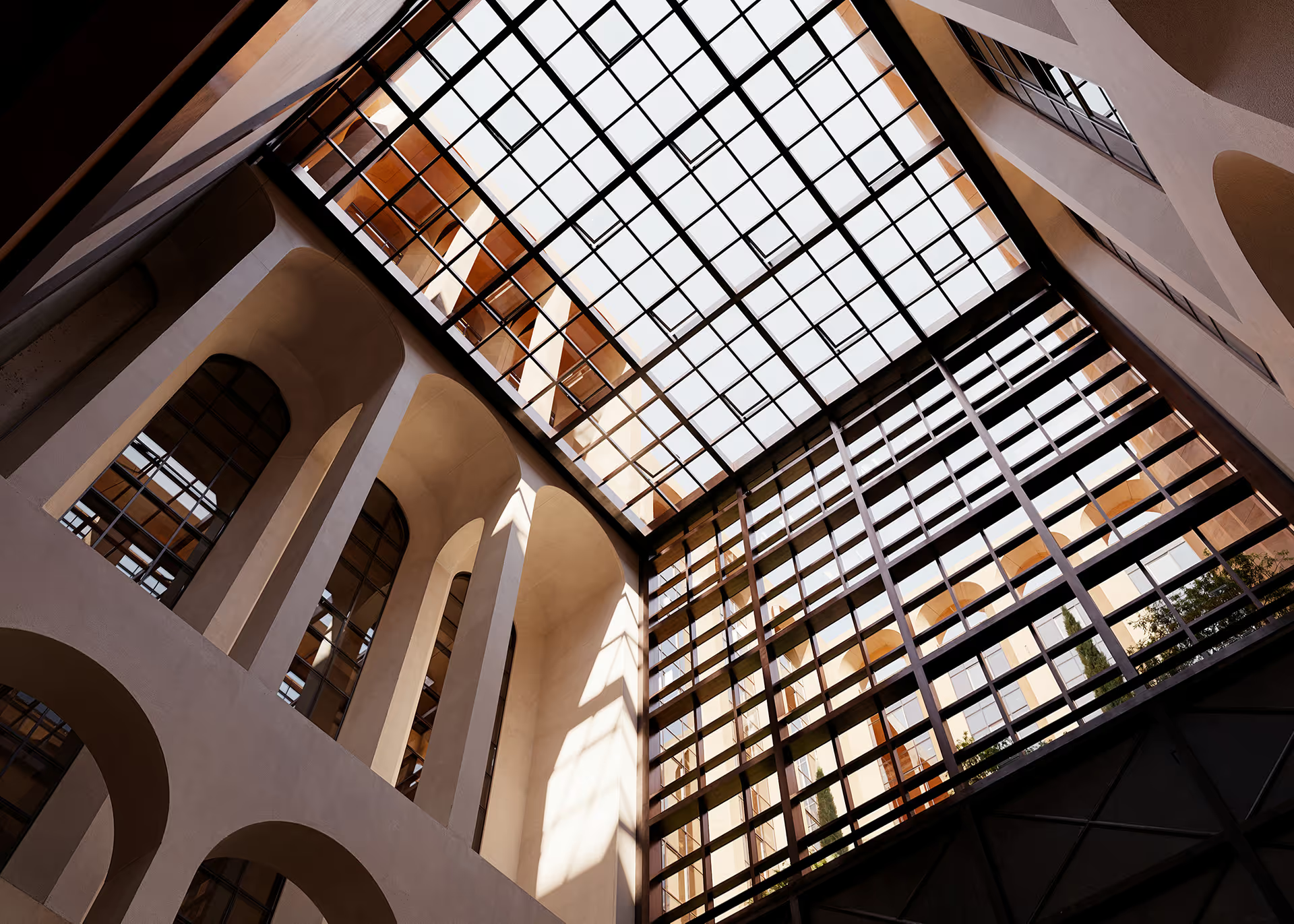
The arched windows reference traditional Georgian architectural motifs, grounding the building in local identity and early 20th-century expression. They create a rhythm that connects the structure to Tbilisi’s architectural heritage.
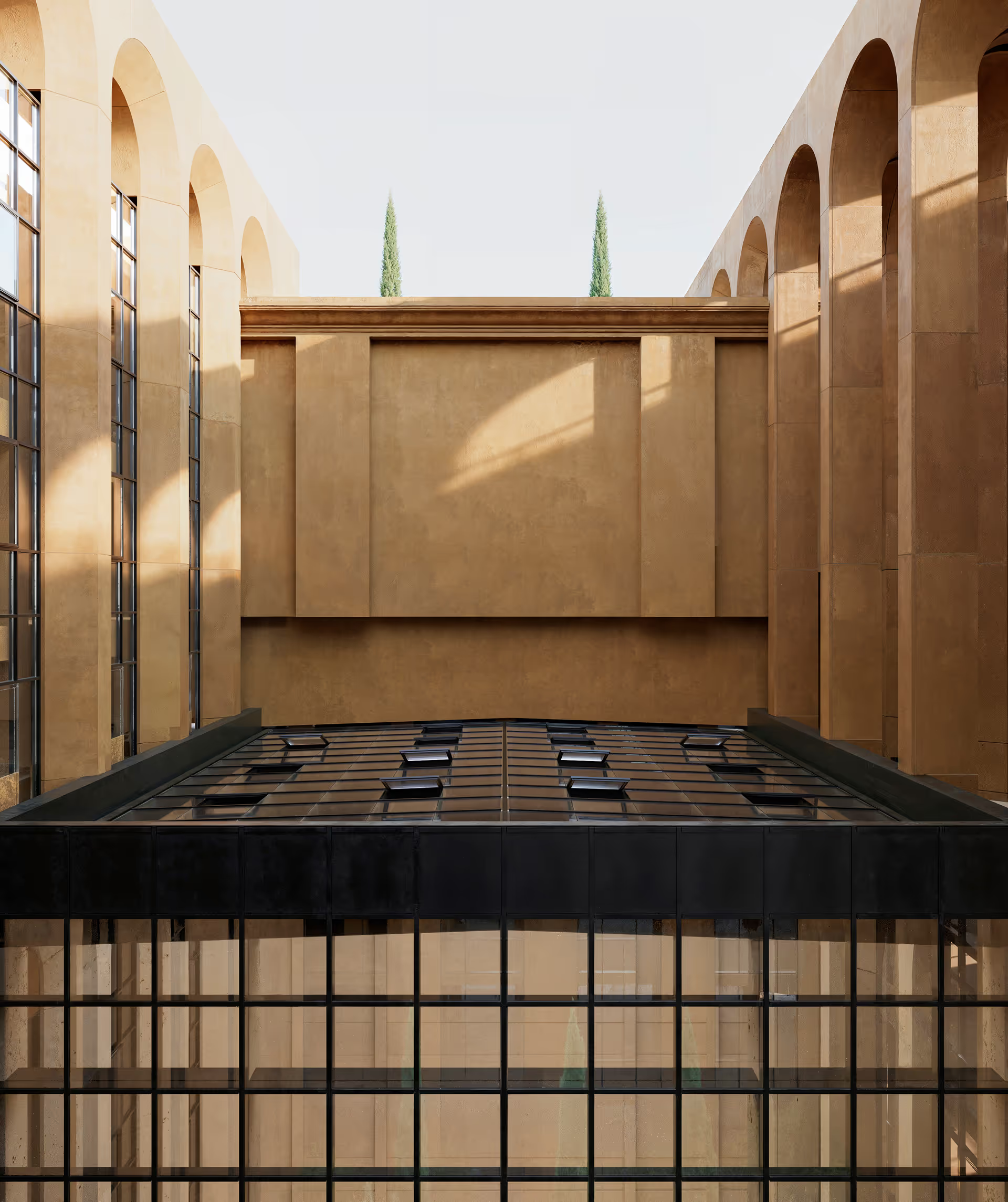
Bofill Arches
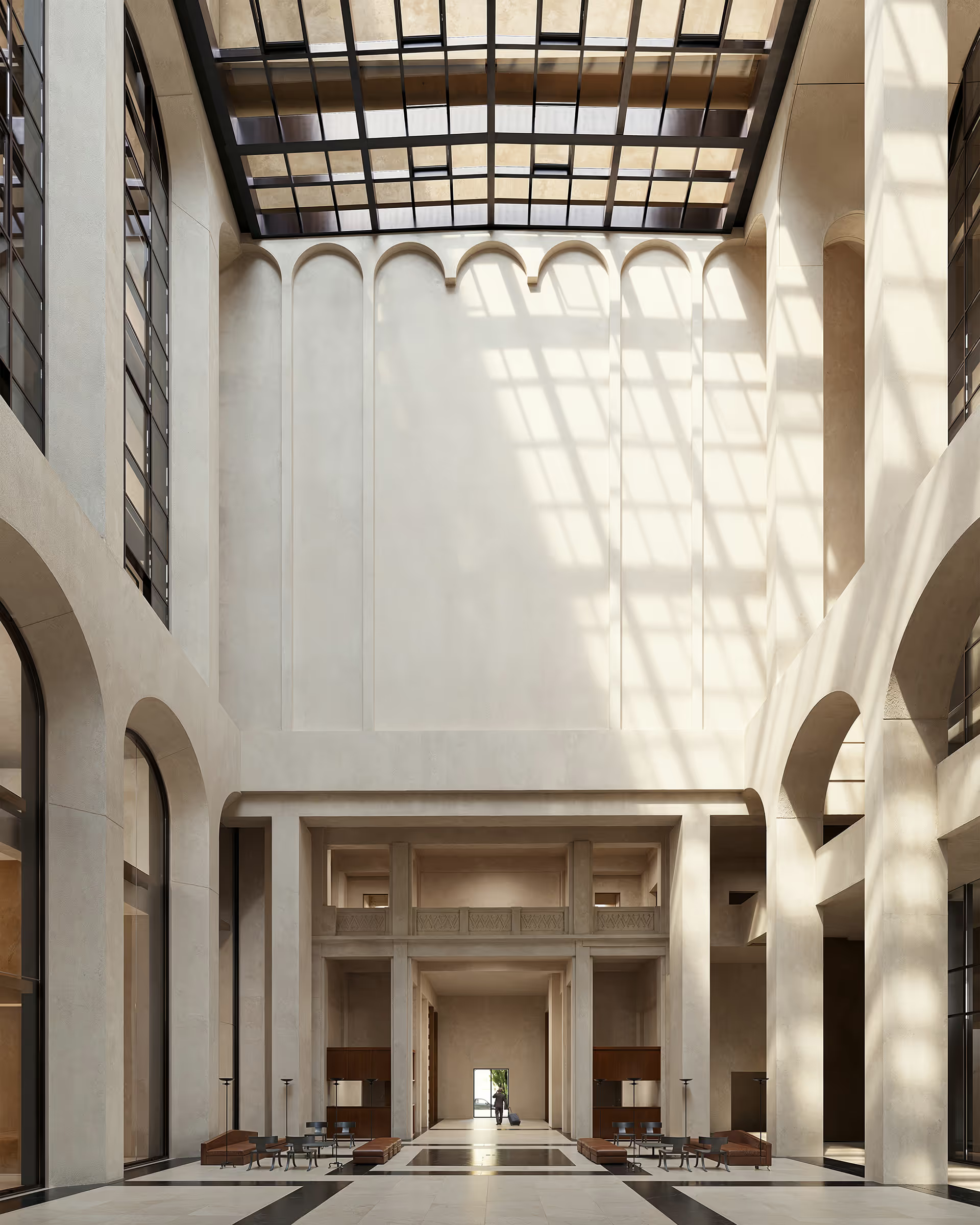
The arches integrated into the renewed interpretation draw inspiration from Ricardo Bofill’s approach—bridging industrial character with classical geometry. They symbolize continuity, resilience, and an architectural dialogue between past and present.
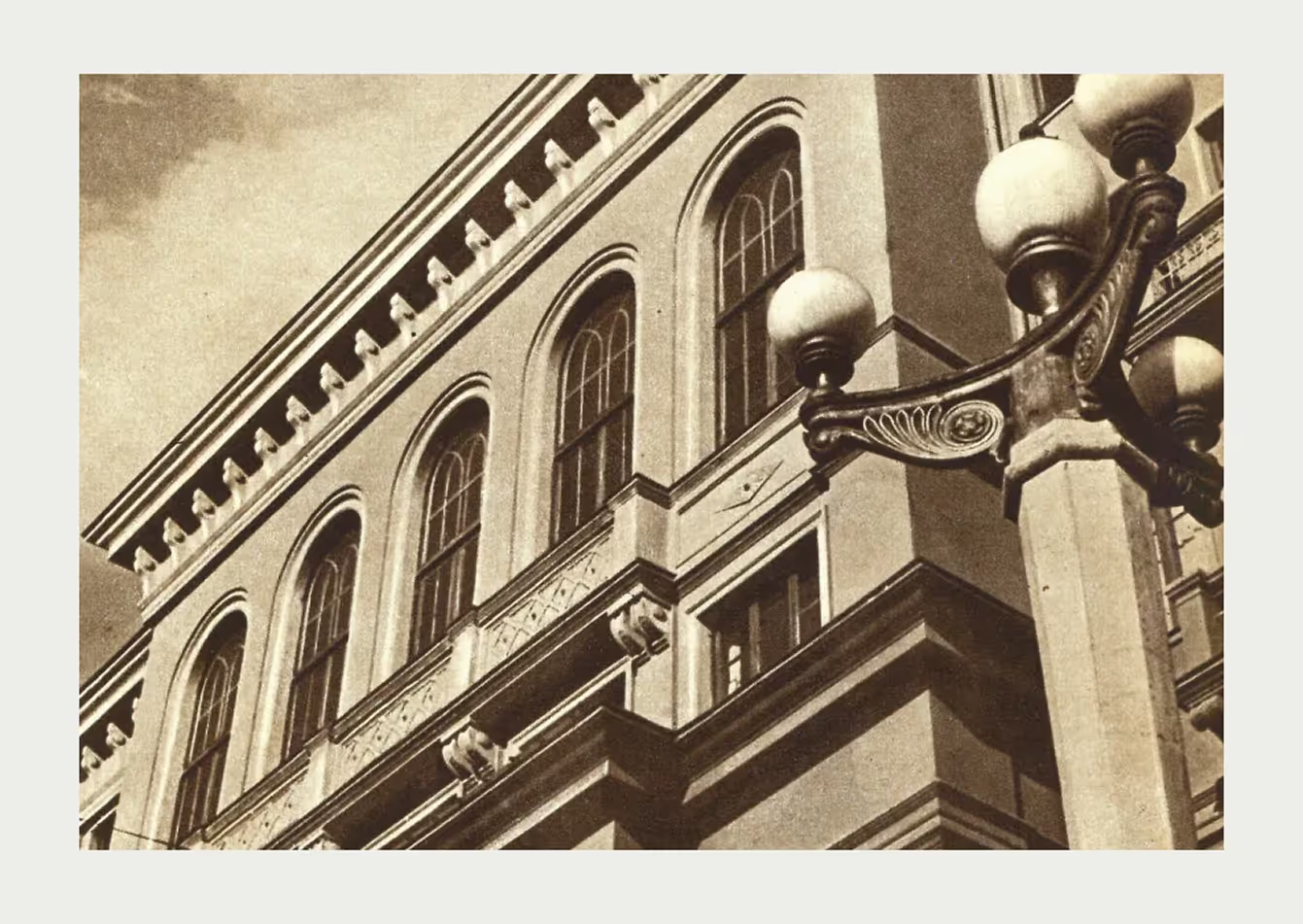
Rooted in Architectural History
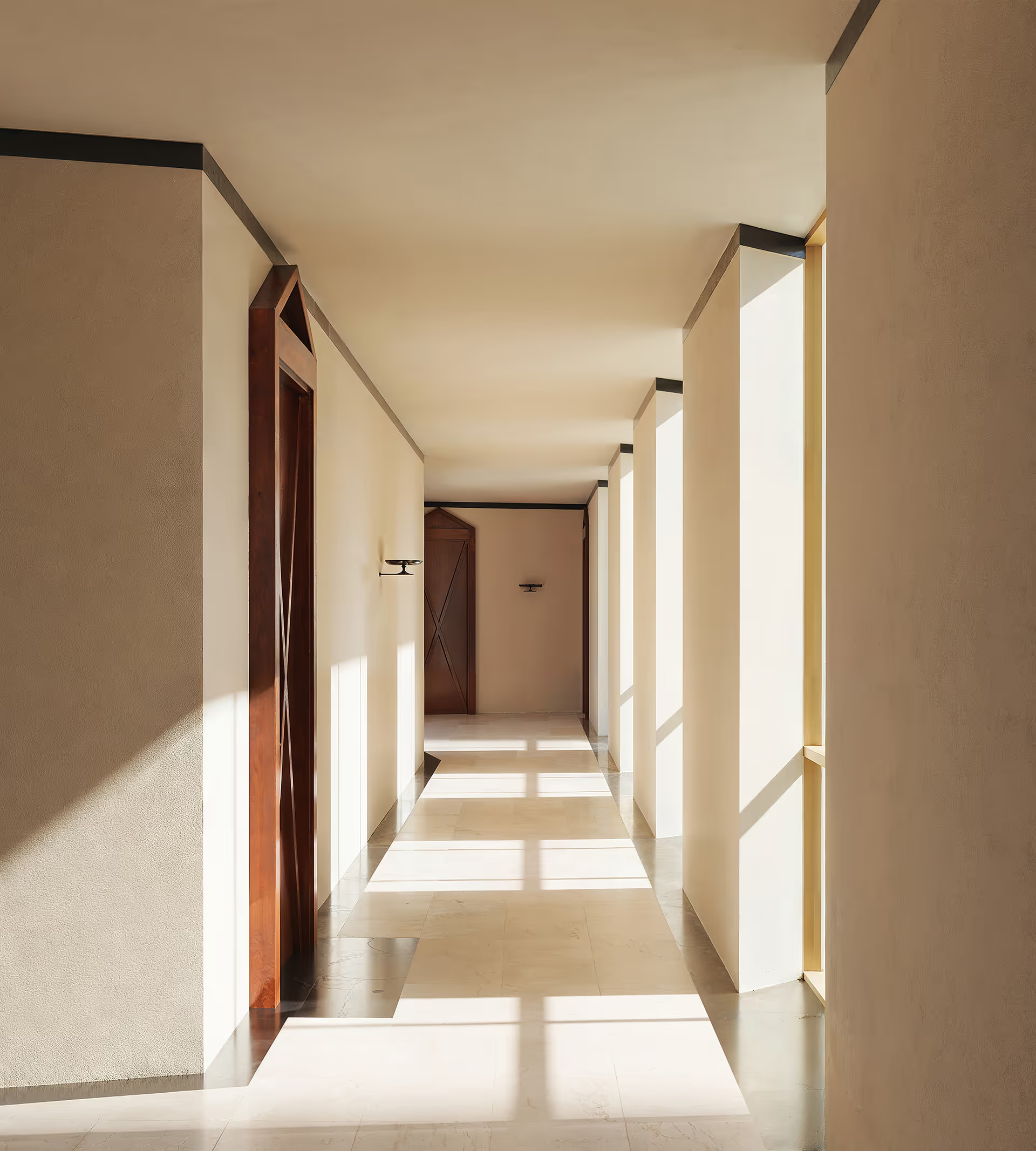
Today, the building enters a new chapter. Its original elements remain, carrying the texture of the past into a modern setting. By preserving its identity and introducing new functions, the building moves its story forward, shaped by heritage and reinterpreted for the future.